Gochugaru Substitute: What to Use When You’re Out of Korean Chili Flakes

You’re halfway through a recipe—maybe you’re making kimchi, spicy cucumber salad, or a bold gochujang pasta—and then it hits you: no gochugaru. Don’t worry, I’ve got you covered. Whether you’re after the vibrant red color, the smoky sweetness, or that subtle heat, there are plenty of pantry-friendly options that come close.

I’ve put together the best gochugaru substitutes based on how spicy, smoky, or sweet you want your dish to be. Some are mild, some bring the heat, and others work best when blended together. Either way, your recipe won’t miss a beat.
What is Gochugaru?
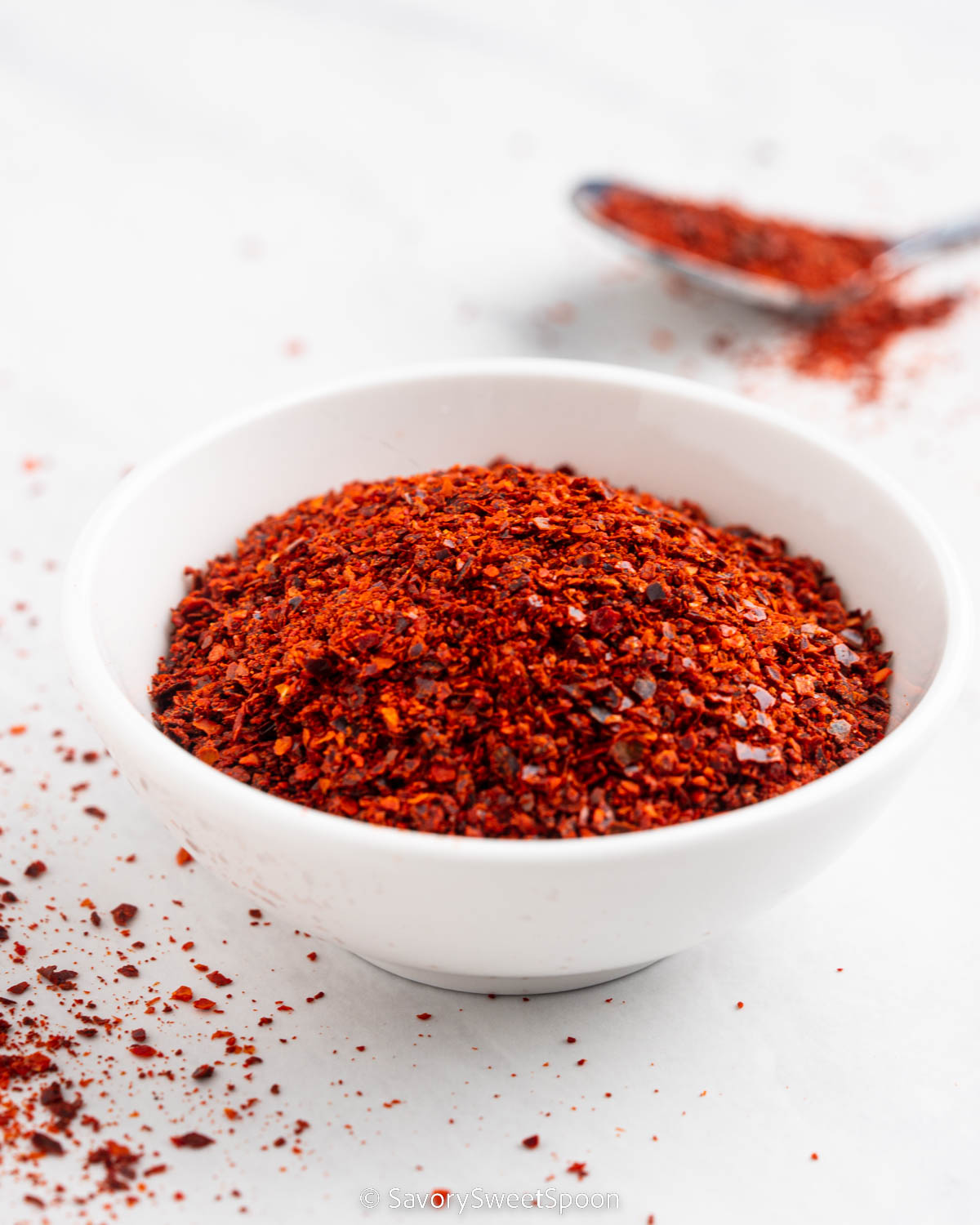
Gochugaru is a Korean red chili powder made from sun-dried chili peppers. It has a unique balance of heat, sweetness, and smokiness—and it’s the signature ingredient behind so many Korean staples, like kimchi, tteokbokki, and spicy soups.
Depending on the grind, gochugaru can come in coarse flakes (used in kimchi), fine powder (used in soups and sauces), or something in between. It’s typically milder than cayenne, but the flavor is much more complex.

Best Substitutes for Gochugaru
Here are the best gochugaru alternatives, depending on what you’re working with:
1. Red Pepper Flakes (Crushed Red Pepper)
Best for: Spice level and availability
You probably already have this in your spice drawer. Crushed red pepper is spicier and coarser than gochugaru, so use it sparingly. If you’re making kimchi or a marinade, crush it a little finer with a mortar and pestle for a closer texture match.
✅ Tip: Use ½ the amount of gochugaru called for, then adjust to taste.
2. Cayenne Pepper
Best for: Heat
Cayenne is much hotter and doesn’t have the same sweet, smoky notes. But if you’re after a quick heat fix for sauces or soups, it’ll work. Just be careful with the amount—start small!
✅ Tip: Start with ¼ teaspoon for every 1 teaspoon of gochugaru.
3. Paprika
Best for: Color and mild smokiness
Paprika is mild, slightly sweet, and gives that vibrant red color. Smoked paprika adds a deeper, earthy flavor. This is a great option when you want less heat but still want that signature gochugaru look and warmth.
✅ Tip: Use 1:1 if you’re not looking for heat.
4. Crushed Red Pepper Flakes + Paprika
Best for: Balanced flavor
A combo of red pepper flakes and paprika gives you a more well-rounded substitute—some heat, some color, and a touch of sweetness. Perfect for seasoning sauces or meat marinades.
✅ Tip: Try ½ teaspoon crushed red pepper + ½ teaspoon paprika for every 1 teaspoon of gochugaru.
5. Chipotle Powder
Best for: Smoky recipes
Chipotle chili powder has a strong, smoky flavor and medium heat. It’s not traditional, but if you’re not making something authentically Korean (like kimchi), it can add great depth to soups, stews, or grilled meats.
✅ Note: It will change the flavor of your dish—but not in a bad way.
6. Chili Powder
Best for: Sauces and stir-fries
American chili powder is a blend of chili, cumin, garlic powder, and oregano. It’s not ideal for Korean dishes, but in a pinch, it can stand in for gochugaru in non-traditional recipes. Just know that it comes with extra flavors.
✅ Tip: Use this when you don’t mind a Tex-Mex flavor twist.
7. Thai Red Chili Powder
Best for: Serious heat
This is a spicier substitute made from ground Thai chilies. It doesn’t have the same sweet notes as gochugaru, but it brings serious heat. A little goes a long way.
✅ Tip: Use ¼ of what your recipe calls for and adjust from there.
FAQ About Gochugaru
Sort of! You can pulse mild dried chili peppers (like New Mexico or Kashmiri chilies) in a spice grinder to make your own version. It won’t be exact, but it’s close.
Mild to medium. It’s more sweet-smoky than hot. The heat depends on the brand and the type—fine powder is usually hotter than coarse flakes.
You can, but you’ll miss out on a lot of flavor and color. If you’re making something like kimchi, definitely sub in one of the alternatives to keep that signature look and taste.
Nope! Gochujang is a fermented chili paste that includes gochugaru, but also has rice, soybeans, and sweeteners. It’s thick, rich, and umami-packed.