Instant Pot Thit Kho (Vietnamese Braised Pork and Eggs)


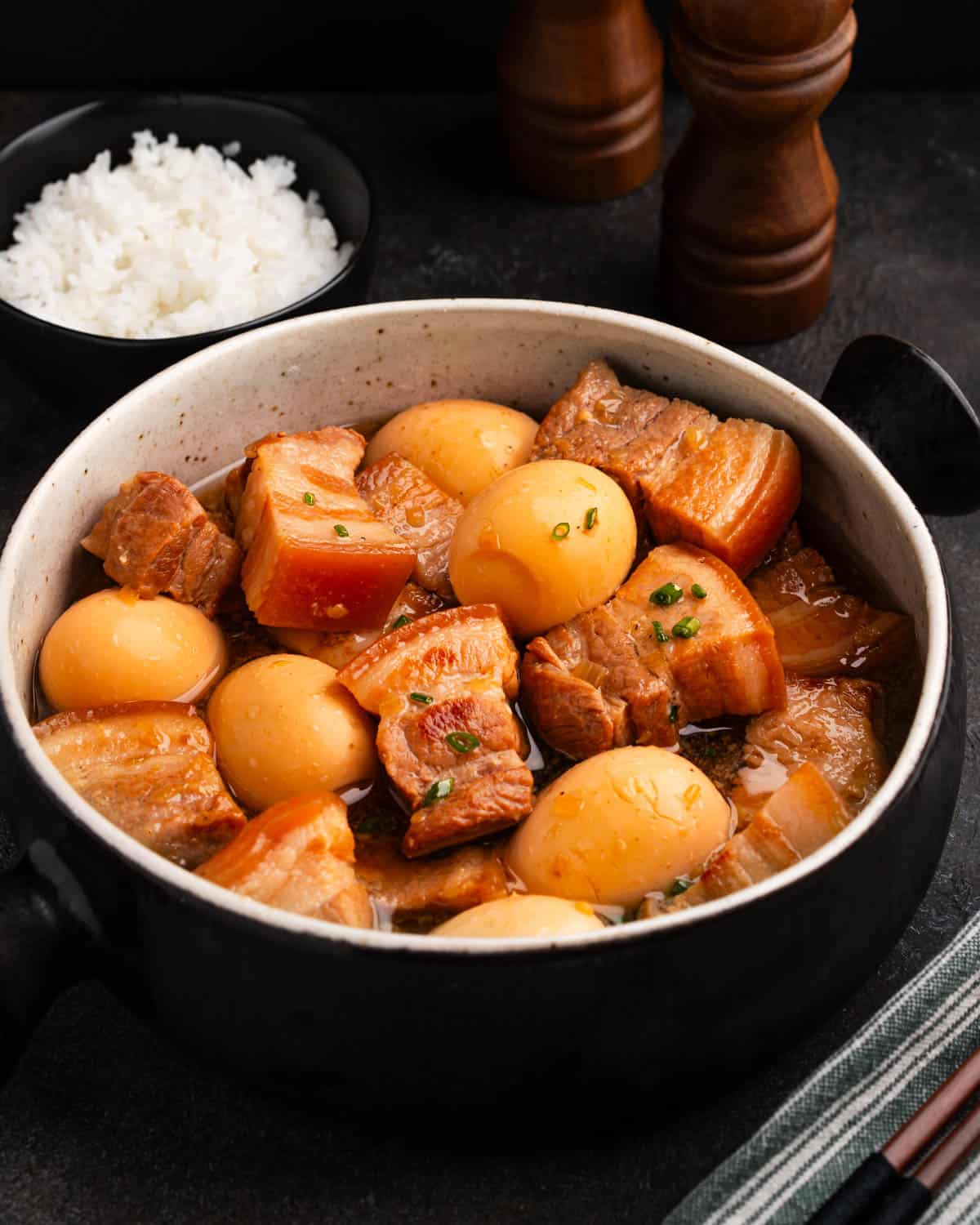
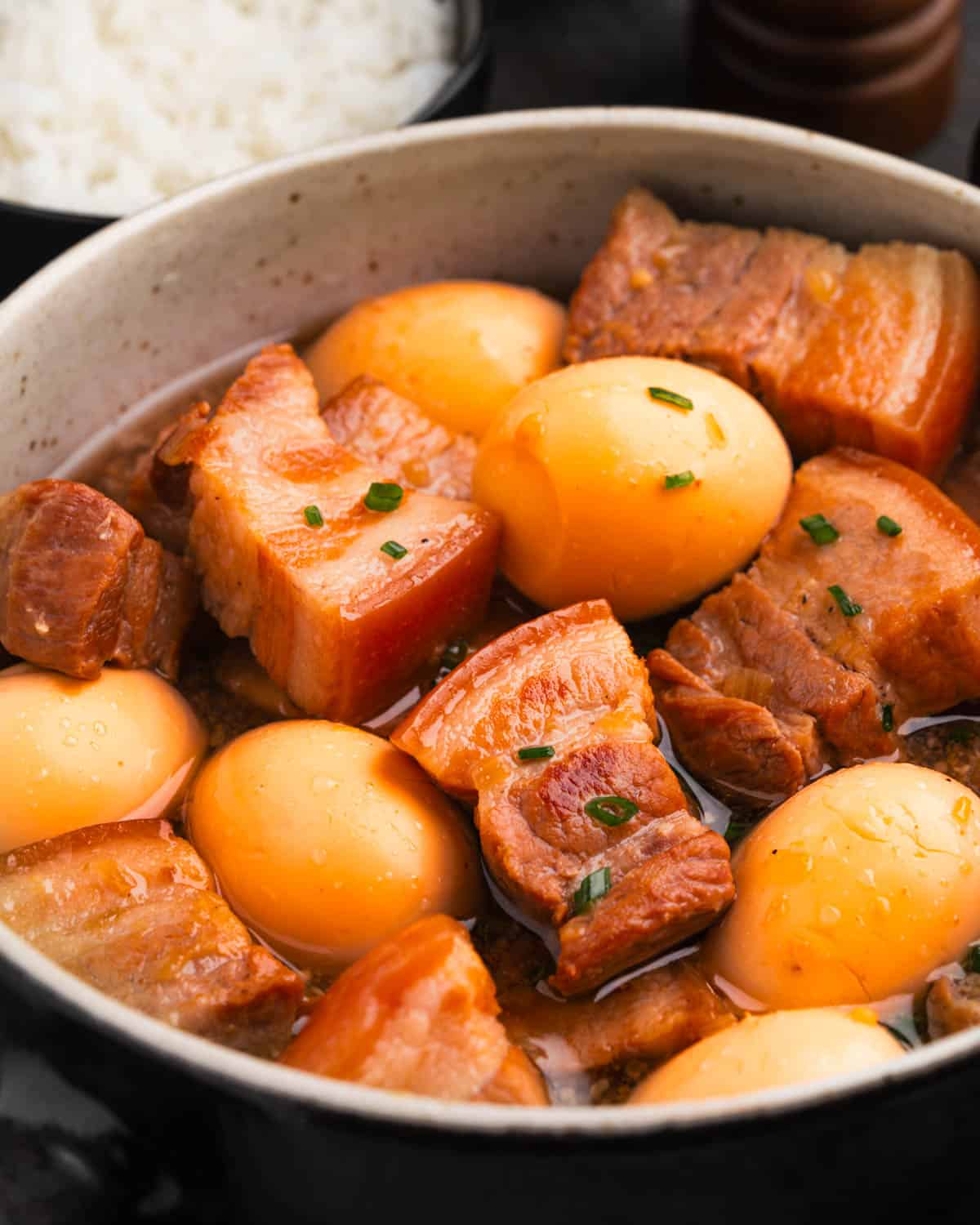
Instant Pot thit kho is my faster way to make Vietnamese braised pork and eggs without spending as much time simmering a pot on the stove. The pork is tender and flavorful, the eggs soak up the savory-sweet sauce, and you still get that familiar thit kho flavor in much less time.

I’ve made this Instant Pot version with pork belly, pork shoulder, and a combination of the two. They all work, but my family prefers pork shoulder because it’s less fatty, so that’s what I usually use.
One thing I’ve learned is that making good thit kho in the Instant Pot isn’t quite as simple as throwing everything in and pressure cooking it. Since the pork has less time to slowly develop flavor, I like to marinate and sear it first, then reduce the sauce for a few minutes after pressure cooking.
It’s a few extra steps, but I still prefer the Instant Pot version because it saves me time, and I love how easily the eggs peel when I cook them in the Instant Pot.
Instant Pot vs. Stovetop Thit Kho
I’ve made thit kho both ways plenty of times, and each method has its advantages.
With traditional stovetop thit kho, most of the cooking can happen in one pot. The longer simmer also gives the pork and braising liquid plenty of time to develop flavor naturally.
The Instant Pot cuts down the cooking time considerably, but I take a few extra steps to make up for that shorter braise. I marinate and sear the pork first, deglaze the pan so none of those browned bits go to waste, and reduce the sauce briefly at the end.
For me, the time savings are still worth it, which is why I usually reach for the Instant Pot.
If you’d rather make it the traditional way, try my stovetop thit kho recipe.
Please scroll ⬇️ to the recipe card for the full ingredient amounts and instructions.
The Best Pork for Instant Pot Thit Kho
I’ve tested this recipe with pork shoulder, pork belly, and a combination of the two, and all three work in the Instant Pot.
Pork belly gives you the richest result with very tender, fatty pieces of pork. Pork shoulder is leaner but still becomes soft and tender under pressure. It’s what my family prefers, so it’s the cut I use most often.
A combination is a good middle ground if you want some of the richness of pork belly without making the entire dish quite as fatty.
Whichever cut you choose, cut the pork into approximately 1½-inch chunks. Keeping the pieces fairly large helps them stay tender without falling apart during pressure cooking.
Why I Parboil the Pork First
Parboiling is an extra step, but I don’t skip it.
Briefly boiling the pork helps remove impurities before it goes into the braising liquid. This gives the finished thit kho a cleaner, clearer sauce.
After parboiling, drain the pork well before adding the seasonings.
Marinating and Searing Make a Difference
Because the Instant Pot cooks the pork so quickly, there’s less time for the flavor to develop than there is with a long stovetop braise.
That’s why I marinate the pork before cooking and don’t skip the sear.
You can brown the pork directly in the Instant Pot using Sauté mode, but I actually prefer using a skillet on the stove. It’s easier to spread the pork out so it browns instead of steaming, and there’s less chance of the caramelized marinade scorching the bottom of the Instant Pot.
After searing, I deglaze the skillet and pour that liquid into the Instant Pot. Those browned bits have a lot of flavor, so don’t leave them behind.
If you want to sear directly in the Instant Pot instead, work in batches and leave plenty of room between the pieces. If the pot is crowded, the pork will release moisture and steam instead of developing a good sear.
Homemade Nuoc Mau
Nuoc mau is the Vietnamese caramel sauce that gives thit kho its deep color and subtle caramelized flavor.
You can buy it bottled, but this recipe only needs a small amount, so I prefer making it myself with just sugar and water.
Don’t pour the entire batch into the Instant Pot. Use some of the nuoc mau when you marinate the pork and set the rest aside. Once the thit kho has finished cooking and you’ve reduced the sauce, you can add a little more if it needs more color or caramel flavor.
This gives you much more control than adding all of it at the beginning.
Why There’s Less Liquid Than Stovetop Thit Kho
For this recipe, I use 1 cup coconut soda.
That may not look like much braising liquid compared with stovetop thit kho, but that’s intentional.
Very little moisture evaporates while the Instant Pot is under pressure. If you use the same amount of liquid you would for a stovetop braise, you’ll end up with far too much thin sauce.
I like coconut soda because it adds sweetness to the braising liquid and helps tenderize the pork. The finished sauce will still look relatively thin when you first open the Instant Pot, but we’ll reduce it at the end.

Fish Sauce and Maggi Seasoning
Fish sauce should be the main seasoning in thit kho. I usually use Three Crabs or Red Boat, and either works well here.
I also add ½ tablespoon Maggi Seasoning for a little extra savory depth. It’s there to support the fish sauce rather than replace it.
Because fish sauce brands vary in saltiness and coconut soda adds sweetness, I recommend doing your final taste adjustment after reducing the sauce rather than adding more seasoning before pressure cooking.
How to Make Instant Pot Thit Kho
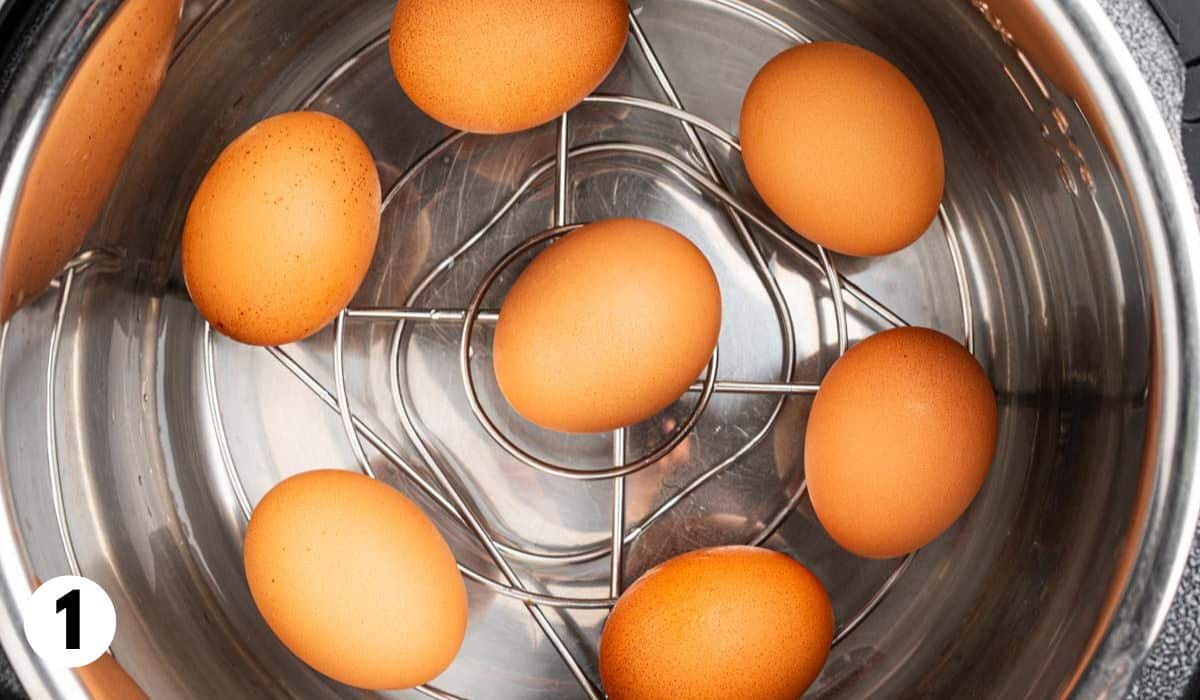
Cook the eggs. Add 1 cup of water to the Instant Pot and place the eggs on the trivet. Cook on High Pressure for 5 minutes, then quick release the pressure. Transfer the eggs to an ice bath, peel, and set them aside. They’ll go into the thit kho at the very end.
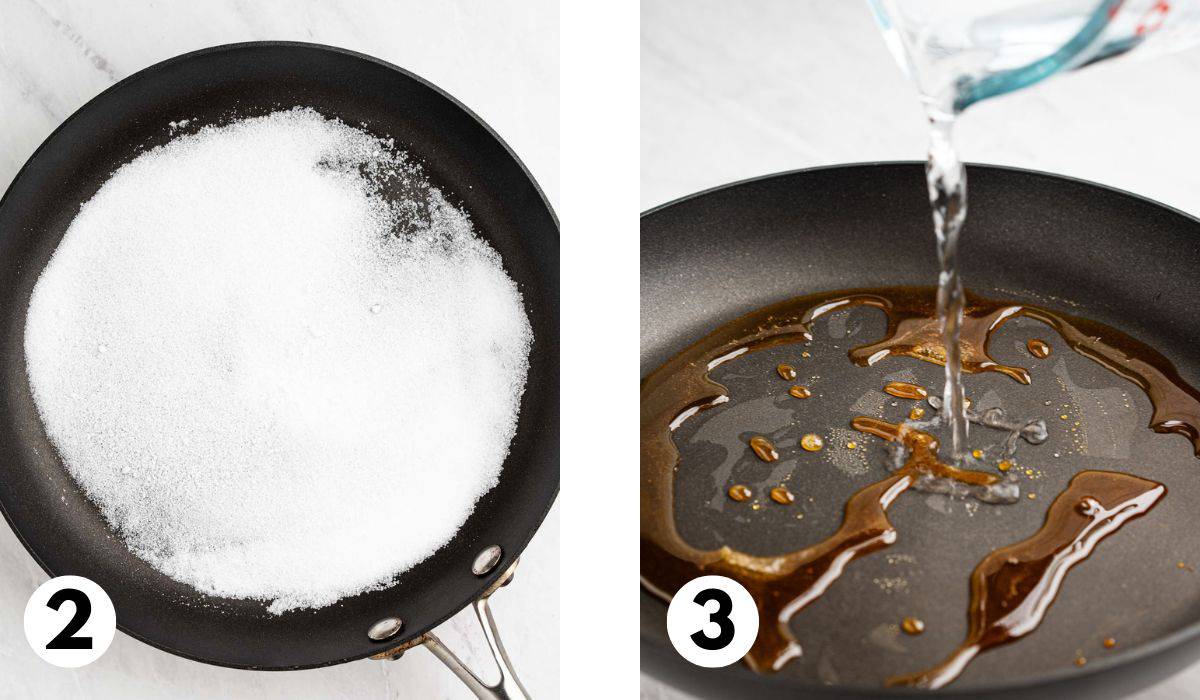
Make the caramel sauce. While the eggs are cooking, make the nuoc mau with sugar and water. Watch it closely once the sugar starts to change color—it can go from golden to burnt pretty quickly. You only need a little for the pork, so set the extra aside in case you want to deepen the color at the end.
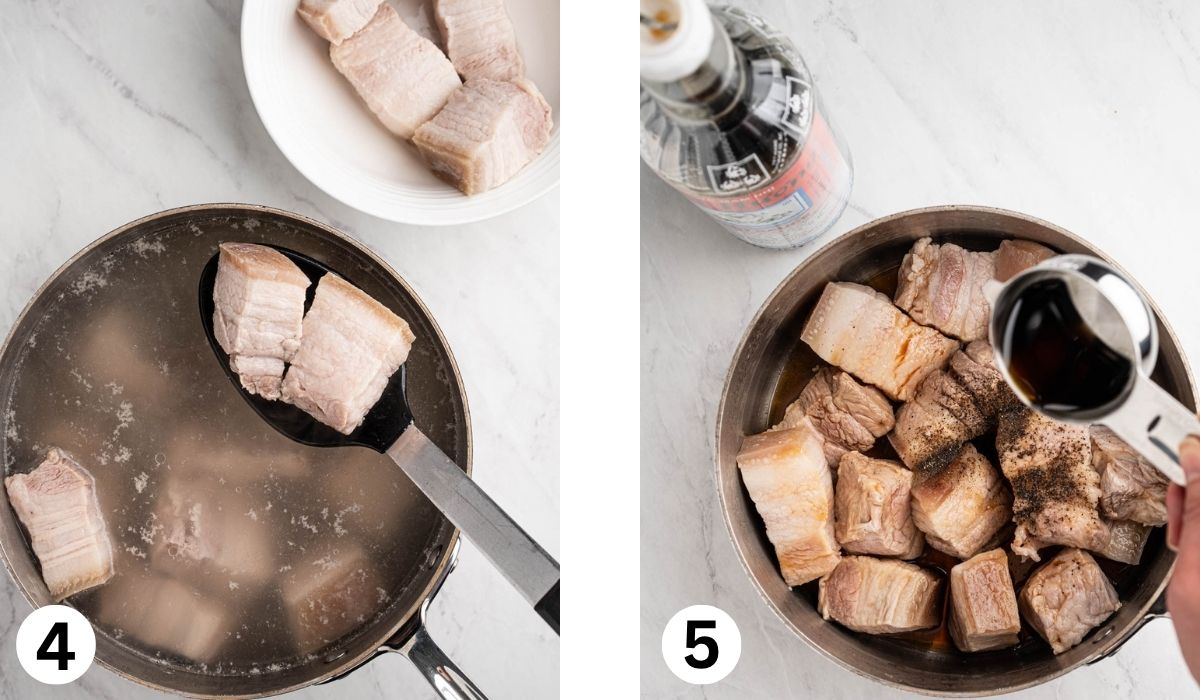
Parboil the pork. Cut the pork into about 1½-inch chunks and parboil for 5 minutes, then drain well. This extra step helps remove impurities from the pork and gives the finished braising liquid a cleaner appearance.
Marinate the pork. Toss the pork with fish sauce, Maggi Seasoning, salt, pepper, and a little of the homemade caramel sauce. Let it marinate for at least 15 minutes. Since pressure cooking shortens the braising time, marinating first helps give the pork more flavor.
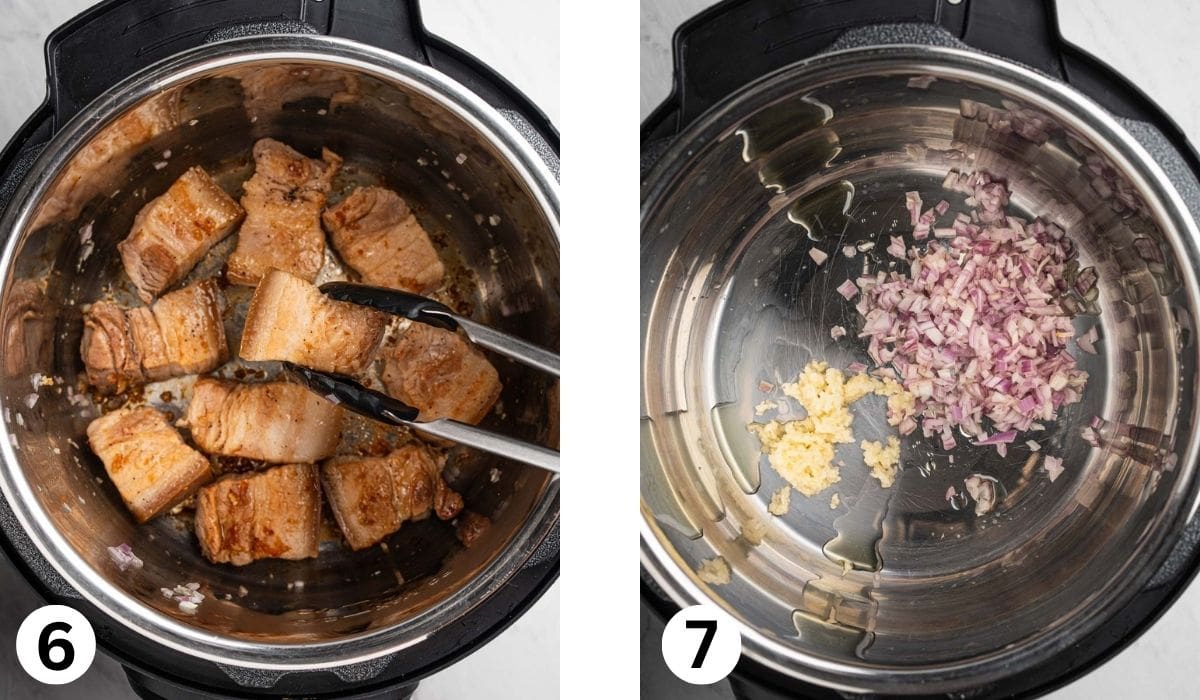
Sear the pork. Heat the oil in a skillet over medium-high heat and sear the pork until nicely browned, working in batches if needed. Give the pieces plenty of room so they brown instead of steam. I prefer searing on the stovetop because it’s easier to get good browning and there’s less chance of the caramelized marinade scorching the bottom of the Instant Pot.
Sauté the aromatics. Once the pork is browned, transfer it to the Instant Pot. Lower the heat to medium, then add the shallots and garlic to the same skillet. Sauté for 1–2 minutes, just until fragrant.
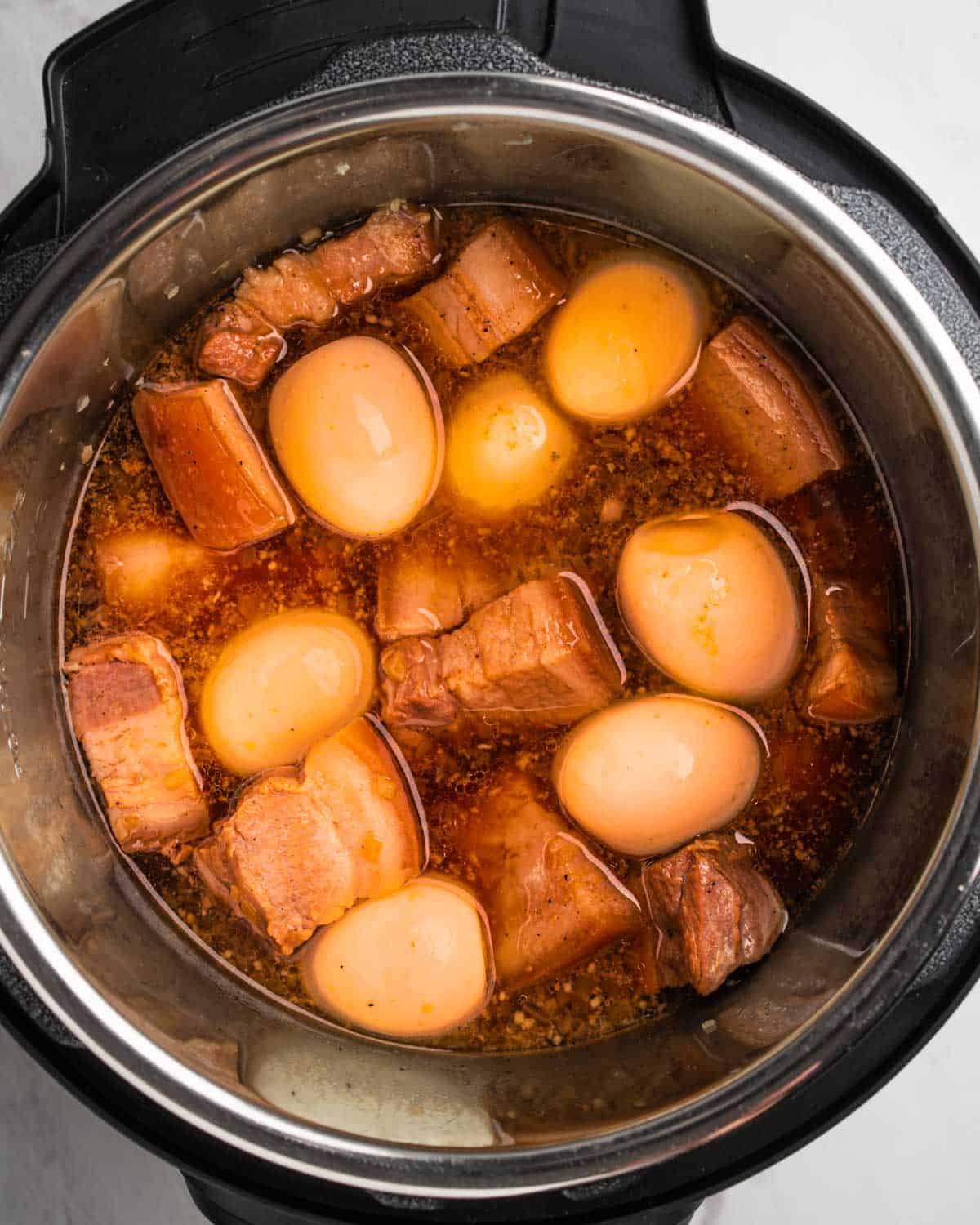
Pressure cook the pork. Deglaze the skillet with the ¼ cup water, scraping up all those flavorful browned bits from the bottom. Pour the aromatics and deglazing liquid into the Instant Pot, then add the coconut soda. (Image 8)
Keep the peeled eggs set aside for now—you’ll add them after the pork is finished pressure cooking.
Cook on High Pressure for 6 minutes, then let the pressure release naturally. I prefer a full natural release to help keep the pork tender, but if you’re short on time, let it naturally release for at least 10–15 minutes before releasing the remaining pressure.
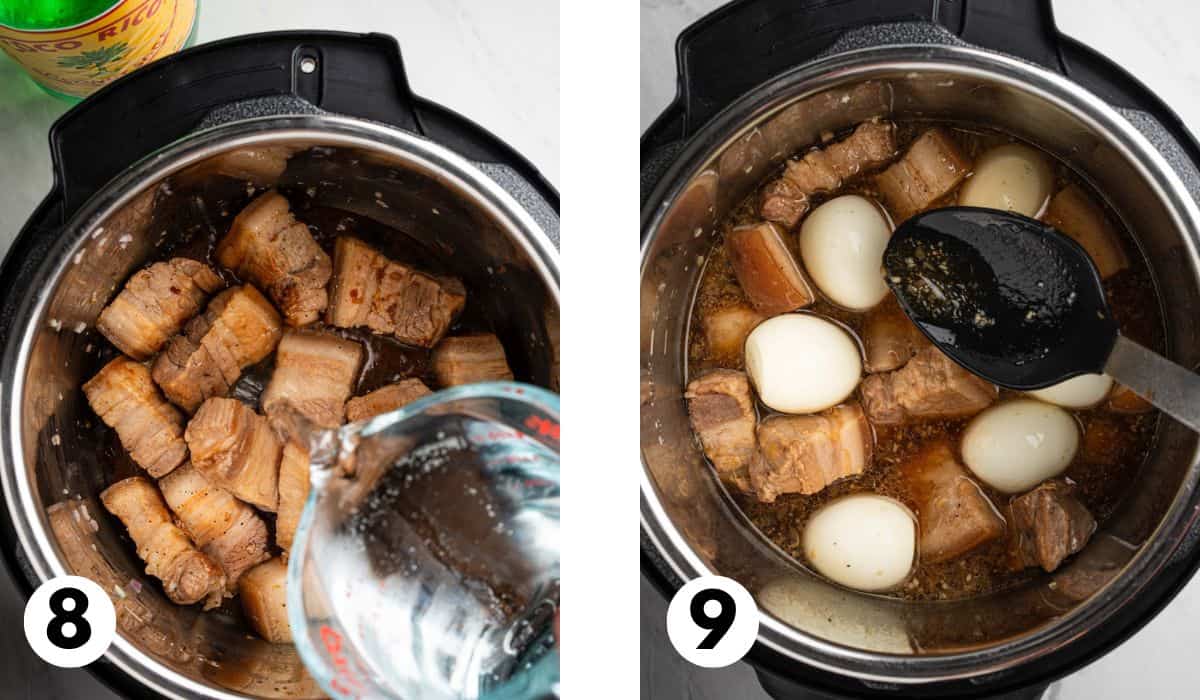
Add the eggs and finish the sauce. Once the pressure has fully released, open the lid, switch to Sauté, and add the peeled eggs. The sauce will look a little thin at first—that’s normal since the liquid doesn’t evaporate while pressure cooking. Simmer for 2–3 minutes to reduce the sauce slightly, then turn off the Instant Pot. (Image 9)
I like to let the eggs sit in the hot sauce for a few minutes as everything cools slightly. They’ll continue soaking up the flavor without overcooking and becoming rubbery. Give the sauce a final taste before serving, adding more fish sauce if it needs saltiness or a little of the reserved caramel sauce if you want a deeper color and caramelized flavor.
Tips for the Best Instant Pot Thit Kho
✔️ Sear the pork well. Since pressure cooking dramatically shortens the braising time, browning adds flavor that you won’t get from simply putting everything into the Instant Pot.
✔️ A skillet makes searing easier. You can use Sauté mode, but the pork tends to steam when the pot gets crowded, and the caramelized seasonings can scorch. I prefer searing on the stove and deglazing the skillet afterward.
✔️ Don’t add too much liquid. The Instant Pot doesn’t lose liquid through evaporation the way a stovetop pot does.
✔️ Let the pressure release naturally. This helps keep the pork soft and tender. Give it at least 10–15 minutes if you don’t have time for a complete natural release.
✔️ Expect thin sauce at first. Nothing went wrong. Reduce it briefly using Sauté mode after pressure cooking.
✔️ Add the eggs last. Do not pressure cook the peeled eggs with the pork. Add them only after the pressure has been released, then simmer briefly and let them rest in the sauce.
✔️ Taste after reducing. As the sauce reduces, its salty and sweet flavors become more concentrated. Do your final adjustment at the end.
What to Serve With Instant Pot Thit Kho
Serve thit kho with plenty of hot jasmine rice to soak up the savory-sweet sauce.
Since the pork and sauce are rich, something fresh or tangy on the side works especially well. I like Vietnamese pickled carrots and daikon, pickled mustard greens, or a simple vegetable such as stir-fried water spinach.
How to Store Leftovers
Let the thit kho cool, then transfer the pork, eggs and sauce to an airtight container and refrigerate for up to 4 days.
The fat may solidify on top as the dish chills, especially if you use pork belly. That’s normal. You can remove some before reheating or let it melt back into the sauce.
Reheat gently on the stovetop or in the microwave until warmed through. Add a small splash of water if the sauce has become too concentrated.

If you make this Instant Pot thit kho, I’d love to hear how it turns out. And if you’ve tried both versions, let me know whether you’re team Instant Pot or stovetop!
RECIPE

Instant Pot Thịt Kho (Vietnamese Braised Pork and Eggs)
Equipment
- Instant Pot (Pressure Cooker)
Ingredients
For the Eggs
- 8 eggs
- 1 cup water
For the Caramel Sauce
- 3 tablespoons sugar
- ⅓ cup water
For the Pork
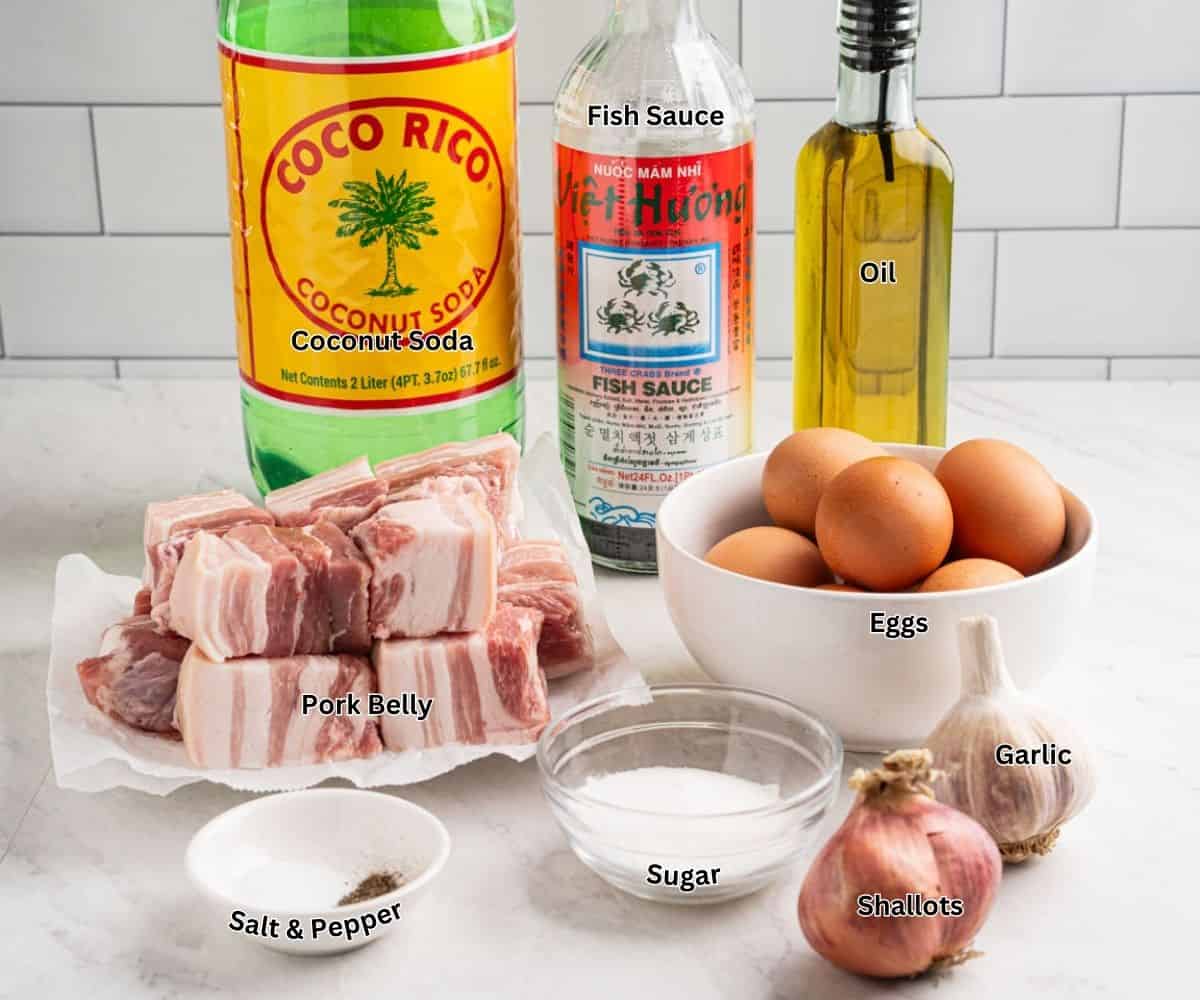
- 2 pounds pork belly or shoulder, cut into 1½ inch chunks
- 1 teaspoon salt (or chicken bouillon powder or mushroom seasoning)
- ½ teaspoon ground black pepper
- 3 tablespoons fish sauce
- ½ tablespoon Maggi Seasoning
- 1 tablespoon homemade caramel sauce plus more if needed
- ½ tablespoon oil
- 2 shallots finely diced
- 3 garlic cloves minced
- 1 cup coconut soda
- ¼ cup water for deglazing
For Serving
- Steamed rice
Instructions
- Cook the eggs. Add 1 cup water to the Instant Pot and place the 8 eggs on the trivet. Cook on High Pressure for 5 minutes, then quick release the pressure. Transfer the eggs to an ice bath to stop the cooking. Once cool enough to handle, peel and set aside.
- Make the caramel sauce. Have the ⅓ cup water measured and ready. Spread the 3 tablespoons sugar evenly in a small saucepan over medium heat and let it sit for 1–2 minutes without stirring. Once it begins to melt, stir until the sugar is completely melted and golden. Carefully add the water—it will bubble vigorously—and stir until combined. Remove from heat and set aside.
- Parboil the pork. Bring a large pot of water to a boil. Add 2 pounds pork belly or shoulder, parboil for about 5 minutes. Drain well and pat dry.
- Marinate the pork. Combine the pork with 1 teaspoon salt, ½ teaspoon ground black pepper, 3 tablespoons fish sauce, ½ tablespoon Maggi Seasoning, and 1 tablespoon homemade caramel sauce. Let it marinate for at least 15 minutes. Set the remaining caramel sauce aside for adjusting the color and flavor at the end.
- Sear the pork. Heat the ½ tablespoon oil in a large skillet over medium-high heat. Add the pork in a single layer, working in batches as needed. Sear for 1–2 minutes per side, until nicely browned. Transfer the pork to the Instant Pot.
- Sauté the aromatics. Lower the heat to medium. Add the 2 shallots and 3 garlic cloves to the same skillet and cook for about 1–2 minutes, stirring often, until fragrant.
- Deglaze the skillet. Pour ¼ cup water into the hot skillet and scrape up the browned bits from the bottom. Pour the aromatics and deglazing liquid into the Instant Pot.
- Pressure cook the pork. Add the 1 cup coconut soda to the Instant Pot. Keep the peeled eggs set aside—they'll be added after pressure cooking. Secure the lid and cook on High Pressure for 6 minutes.
- Naturally release the pressure. Allow the pressure to release naturally. I prefer a full natural release to help keep the pork tender. If you're short on time, wait at least 10–15 minutes before carefully releasing any remaining pressure.
- Add the eggs and reduce the sauce. Open the lid and switch to Sauté mode. Add the peeled eggs and simmer for 2-3 minutes to begin reducing the sauce. Turn off the Instant Pot and let the eggs sit in the hot sauce for a few minutes as it cools slightly.
- Taste and adjust. Taste the sauce and adjust the seasoning as needed. Add more fish sauce for saltiness or a little of the reserved caramel sauce for a deeper color and caramelized flavor.
- Serve. Serve the pork and eggs with steamed jasmine rice and spoon the braising sauce over the top.
Notes
- I’ve tested this recipe with pork shoulder, pork belly, and a combination of the two. All work well, but my family prefers pork shoulder because it’s less fatty.
- This recipe was tested in a 6-quart Instant Pot Duo.
- I prefer searing the pork in a skillet because it’s easier to get a good sear without steaming the meat or scorching the caramelized seasonings. If you use the Instant Pot’s Sauté function instead, work in batches and don’t overcrowd the pot.
- The Instant Pot needs less braising liquid than stovetop thit kho because very little liquid evaporates under pressure.
- The sauce will look thin when you first open the Instant Pot. This is normal. Letting it simmer briefly on Sauté helps reduce and concentrate the sauce.
- Don’t add all of the homemade caramel sauce at once. Start with the amount called for in the marinade and add more at the end only if needed.
- Add the eggs after pressure cooking so they don’t overcook and become rubbery.
- Store leftovers in an airtight container in the refrigerator for up to 4 days.





Hi, can I make this in a 6 quartz instant pot? Thanks
Hi Leesa! Yes, you can. I actually tested and made this recipe in a 6-quart Instant Pot, so it works just fine.
Hi Quynh, the flavor of this dish suits my and my family’s taste. Thank you! I find that it takes me about 2 hours to follow the steps in this recipe, though. I’ll try sauteeing the aromatics in a separate small pan because I find that after doing this in the instant pot, even after adding an extra tablespoon of oil before searing, the pork searing leaves a thick black residue on the pot bottom that requires a lot of scraping and there are black specks everywhere in the sauce. Also, I cook the eggs for 8 minutes in the Instant Pot because after 5 minutes the eggs are too soft for me to peel properly.
Hi Hoan! Thank you so much for sharing such thoughtful feedback. I’m really glad the flavors worked well for you and your family.
I appreciate you pointing out the timing and the pot issue too. I prefer searing everything in a separate pan before adding it to the instant pot too. And thanks for sharing your egg timing as well. 8 minutes is a helpful tip for anyone who prefers firmer eggs that are easier to peel.
I really appreciate you taking the time to share what worked for you. Feedback like this is so helpful for other readers and for me too. Thanks again!
Hi Quynh, I am confused with the “Pressure Cook” instructions. Do you mean we add in the left over marinade or do we add extra caramel sauce? Thank you
Hi Dan, I’m sorry for any confusion! The marinade includes salt, pepper, 1 tablespoon of caramel sauce, and fish sauce. Start by searing the marinated pork on all sides in two batches to get a nice crust, then add everything back into the pot before pressure cooking.
Once it’s done, you can adjust the flavors to your liking by adding more caramel sauce or additional seasoning. I hope this helps clarify—let me know if you have any other questions!