Katsu Sauce (Japanese Tonkatsu Sauce)


If you’ve ever had chicken or pork katsu at a Japanese restaurant, you know the sauce is just as important as the crispy cutlet. This homemade katsu sauce is thick, savory, sweet, and tangy, and you only need four pantry ingredients to make it.

I’ve been making this sauce for years to serve with Chicken Katsu, and it tastes just as good as the sauce we get at restaurants. I especially like making it at home because I usually already have everything I need, and I don’t have to buy an entire bottle of katsu sauce when I only need a small amount.
It takes about 5 minutes to mix together and makes approximately ¾ cup.
What Is Katsu Sauce?
Katsu sauce, also called tonkatsu sauce, is a thick Japanese sauce traditionally served with breaded and fried cutlets such as tonkatsu (pork) and chicken katsu.
The flavor is a combination of savory, sweet, and tangy, which works especially well with crispy fried foods. This homemade version gets its tanginess from Worcestershire sauce, sweetness and body from ketchup and sugar, and extra savory flavor from oyster sauce.
A Few Notes About the Ingredients
You only need four ingredients, but there are a couple of things worth knowing.
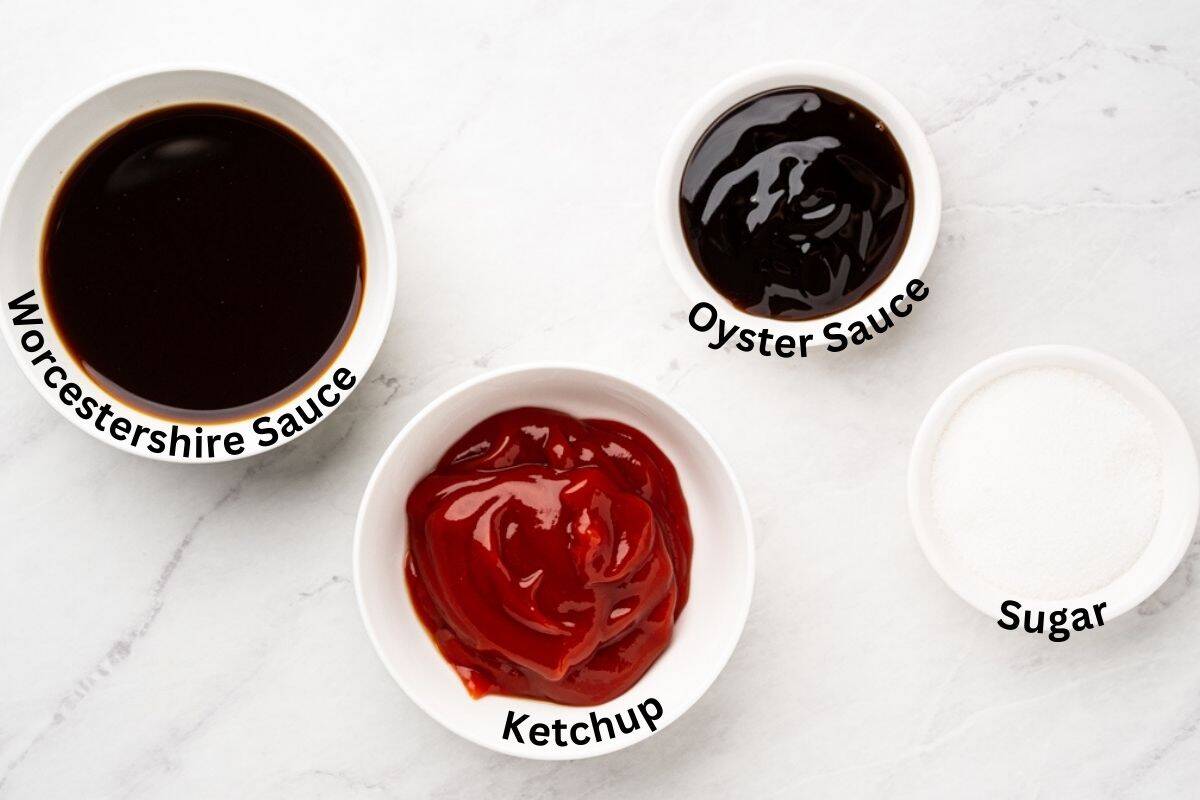
Worcestershire sauce: This provides most of the tanginess and helps balance the sweeter ingredients. I use Lea & Perrins Worcestershire Sauce.
Ketchup: Use whatever ketchup you normally keep at home. It gives the sauce sweetness, tomato flavor, and its thick consistency.
Oyster sauce: This adds a deeper savory flavor to the sauce. I usually use Lee Kum Kee Premium Oyster Sauce—the bottle with the lady on the boat—or Lee Kum Kee Panda Brand Oyster Sauce. Both work well.
Granulated sugar: The sugar balances the tanginess of the Worcestershire sauce. You can adjust the amount slightly depending on how sweet you like your katsu sauce.
How to Make Katsu Sauce
Start by combining the Worcestershire sauce and granulated sugar in a bowl. I like to dissolve the sugar in the Worcestershire sauce first because the thinner liquid makes it much easier for the sugar to dissolve.
Once the sugar has dissolved, stir in the ketchup and oyster sauce until everything is completely combined and the sauce looks smooth and glossy.
That’s it—there’s no cooking required.
You can use the sauce immediately, or refrigerate it before serving. Chilling makes the sauce a little thicker, which is especially nice for dipping or drizzling over crispy katsu.
Adjust It to Your Taste
One of the reasons I like making katsu sauce instead of buying a bottle is that it’s easy to adjust.
Taste the sauce after everything is mixed together. If you’d like it sweeter, add a little more sugar. If you prefer more tanginess, add a little more Worcestershire sauce.
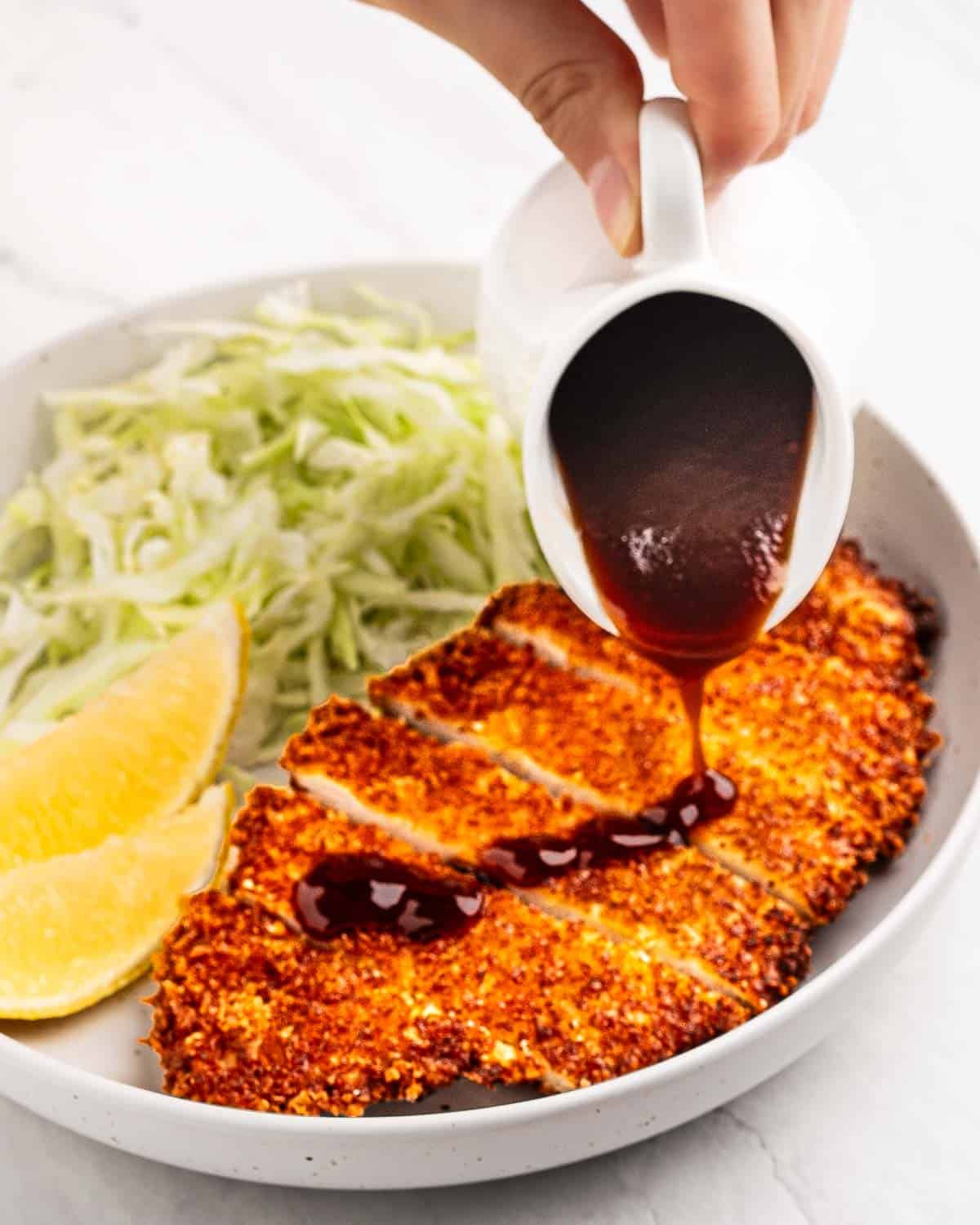
The finished sauce should be thick enough to drizzle, with a balance of savory, sweet, and tangy flavors.
Is Katsu Sauce the Same as Katsu Curry Sauce?
No. Katsu sauce (or tonkatsu sauce) is a thick, sweet, savory, and tangy condiment served with Japanese breaded cutlets. It’s usually drizzled over the crispy cutlet or served on the side for dipping.
Katsu curry sauce refers to Japanese curry served with katsu. It’s a warm, savory, gravy-like curry that’s typically served over rice alongside the breaded cutlet.
So while both can be served with katsu, they’re two completely different sauces: katsu sauce is a thick condiment for dipping or drizzling, while katsu curry is a Japanese curry that’s part of the main dish.
What to Serve With Katsu Sauce
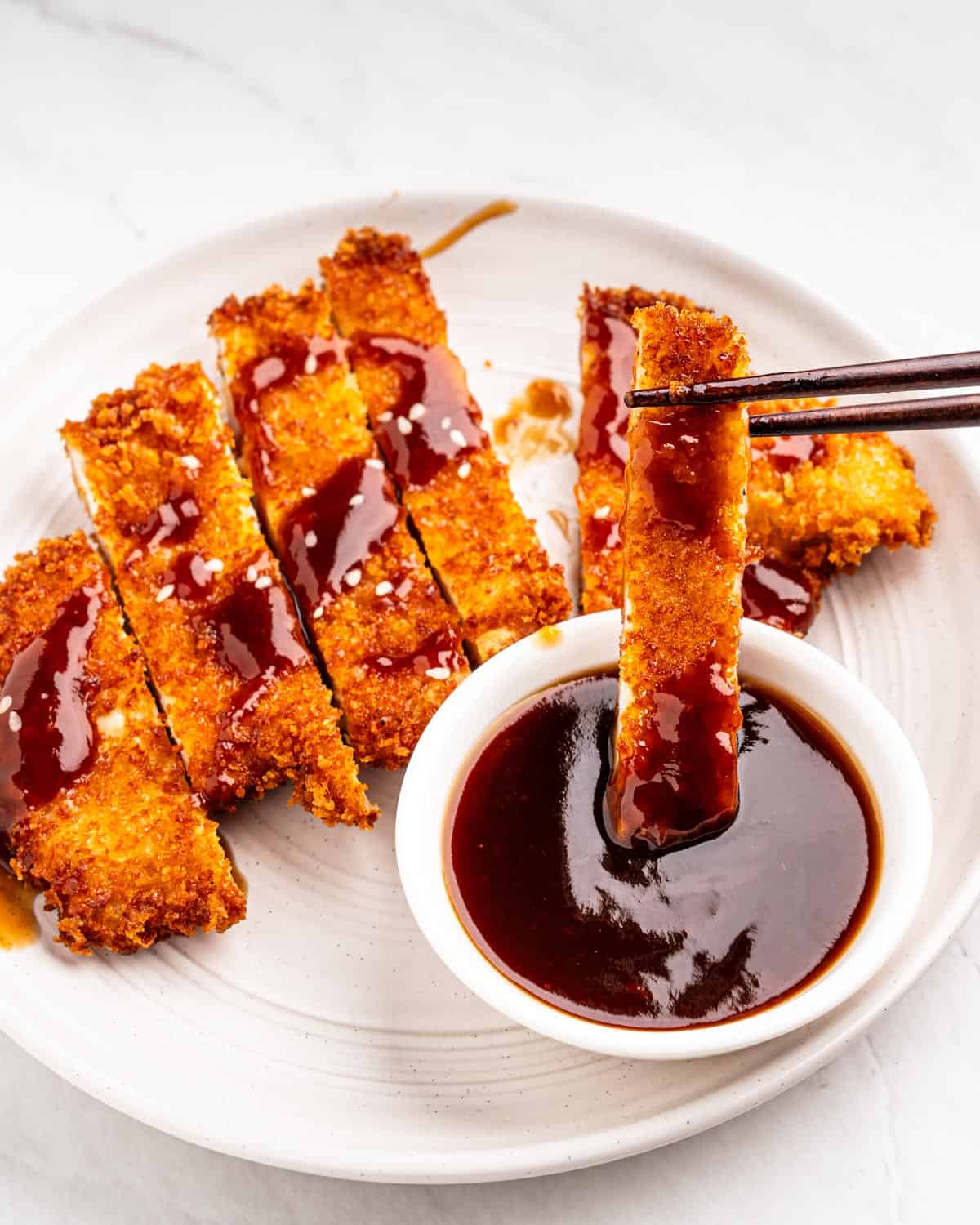
My favorite way to use this sauce is with Chicken Katsu, either drizzled over the crispy chicken or served alongside it for dipping.
I’ve also served it with pork katsu, katsu sando, and fried tofu. The sweet and tangy flavor is especially good with breaded and fried foods because it cuts through some of the richness.
How to Store Homemade Katsu Sauce
Transfer leftover sauce to an airtight container or jar and keep it refrigerated.
I’ve kept homemade katsu sauce in the refrigerator for about one week without any problems. It will thicken when it’s cold, so give it a quick stir before serving.
You can serve it straight from the refrigerator or let it sit at room temperature briefly if you’d like a slightly thinner consistency.
If you’re making pork or chicken katsu, don’t skip the sauce! It only takes a few minutes to make while the meat is cooking, and you probably already have all four ingredients in your pantry.
RECIPE

Homemade Katsu Sauce
Ingredients
- 5 tablespoons Worcestershire sauce
- 2 tablespoons granulated sugar
- 5 tablespoons ketchup
- 2 tablespoons oyster sauce
Instructions
- Add the Worcestershire sauce and sugar to a small bowl. Stir until the sugar is dissolved.
- Add the ketchup and oyster sauce and stir until completely combined and the sauce is smooth and glossy.
- Taste and adjust if desired. Add a little more sugar for a sweeter sauce or Worcestershire sauce for more tanginess.
- Serve immediately, or refrigerate until ready to use. The sauce will thicken slightly as it chills.


